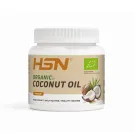
Organic coconut fat (oil) - A kitchen staple
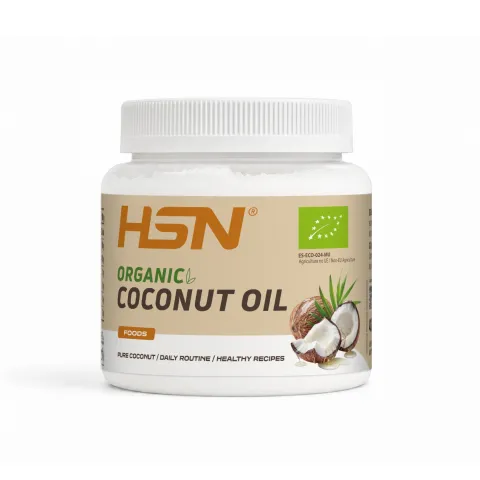
Organic coconut fat (oil) from FoodSeries is a vegetable fat made from fresh coconut flesh, obtained through cold extraction and unrefined. It’s ideal if you’re looking for a versatile cooking fat with an optimal nutritional profile that’s easy to use in everyday recipes.
A cooking fat that gives you: texture, stability and a 100 % fat profile, with no sugars or carbohydrates. Perfect for classic recipes, baking and low-carb dishes.
Keep cooking simple with organic coconut fat in your recipes.
What makes it special
What sets this fat apart is its production process and raw ingredient. Made from fresh coconut flesh through cold extraction, it retains its natural character without refining, deodorising or bleaching.
- 100 % fat: 100 g of fat per 100 g of product.
- Predominantly saturated fat: 94.5 g of saturated fat per 100 g.
- No carbohydrates: 0 g of carbohydrates and 0 g of sugars.
- No protein or salt: 0 g of protein and 0 g of salt.
Coconut fat is also known to naturally contain medium-chain triglycerides (MCT). In the kitchen, that makes it a great ingredient for keto and low-carb recipes.
Why is it sometimes solid and sometimes liquid?
It’s completely normal: coconut fat changes state with temperature. At room temperature, it’s usually solid. Above approximately 24–25 °C, it becomes liquid. This doesn’t mean it’s gone off; it’s simply a typical feature of its fat composition.
Handy tip: if you want it liquid so it’s easier to mix, place the jar near a gentle heat source for a few minutes or in a warm water bath without boiling. If you prefer it solid for spreading or adding texture, keep it somewhere cool.
How to use organic coconut fat (oil) every day
This fat is a versatile ingredient: it adds texture, handles cooking temperatures well and works in both sweet and savoury recipes. If you’re after quick ideas, here are some easy ways to use it:
- Everyday cooking: use it as a cooking fat for stir-frying and pan-frying.
- Swap for other fats: use it instead of butter or other fats in recipes.
- Baking: ideal for cakes, biscuits and doughs where a gentle hint of coconut works well.
- Low-carb / keto: a natural fit thanks to its 0 g carbohydrate and sugar profile.
- Vegan cooking: a great fat for creams, coatings and bases.
- “Bulletproof”-style drinks: add a small amount to coffee or hot drinks and blend it in for a silkier texture and a functional coffee.
A simple ingredient that makes recipes better with its texture and ease of use, without any fuss.
Recommended pairings
If you enjoy creating recipes, organic coconut fat pairs especially well with other pantry staples:
- For bulletproof-style coffee: pair it with Ghee.
- For home baking: combine it with cocoa powder and sweeteners that suit your recipes.
- For “fit” cooking: use it in toppings and creams with protein powders (mixing a little at a time to get the texture you want).
Frequently asked questions
Is it normal for it to have a mild coconut aroma and flavour?
Yes. As an unrefined fat, it keeps its natural character, including its distinctive coconut aroma.
Can I use it in keto or low-carb recipes?
Yes. Thanks to its composition (100 % fat, 0 g of carbohydrates and sugars, with MCT), it’s a common ingredient in this type of cooking.
How should I store it?
Keep it tightly closed in a cool, dry place. If it changes from solid to liquid (or the other way round) because of the temperature, that’s completely normal.
Discover HSN’s organic products
Organic coconut fat (oil) is a simple way to make the most of your cooking: a carefully selected raw ingredient, a cold-extraction process and a 400 g jar made for everyday recipes, with a clear commitment to composition and quality.
When you choose a kitchen staple well, you can tell in every recipe: discover HSN organic coconut fat.
Scientific literature on organic coconut fat (oil)
- FoodData Central. (n.d.). Coconut oil. U.S. Department of Agriculture.
- Marina, A. M., Che Man, Y. B., & Amin, I. (2009). Virgin coconut oil: Emerging functional food oil. Trends in Food Science & Technology, 20(10), 481–487
- Nagao, K., & Yanagita, T. (2010). Medium-chain fatty acids: functional lipids for the prevention and treatment of the metabolic syndrome. Pharmacological research, 61(3), 208–212.
- Rahman, A., Baharlouei, P., Koh, E. H. Y., Pirvu, D. G., Rehmani, R., Arcos, M., & Puri, S. (2024). A Comprehensive Analysis of Organic Food: Evaluating Nutritional Value and Impact on Human Health. Foods (Basel, Switzerland), 13(2), 208.